Walk into any design presentation today, and you’ll notice something has changed. Clients no longer lean over large-print drawings to interpret elevations. Instead, they look at a screen and see the building as if it already exists – the materials, the shadows, the surrounding landscape, even the mood of the sky.
That shift isn’t about aesthetics alone. It’s about clarity.
Exterior 3D Render Services give architects, designers, builders, and developers a way to communicate intent without asking stakeholders to imagine it. And in practice, that changes how decisions get made.
In real-world projects, especially across the USA and Europe, visual communication is no longer optional. Planning authorities expect clarity. Investors expect confidence. Buyers expect realism. Exterior rendering has become part of the workflow, not an add-on.
So What Exactly Are Exterior 3D Render Services?
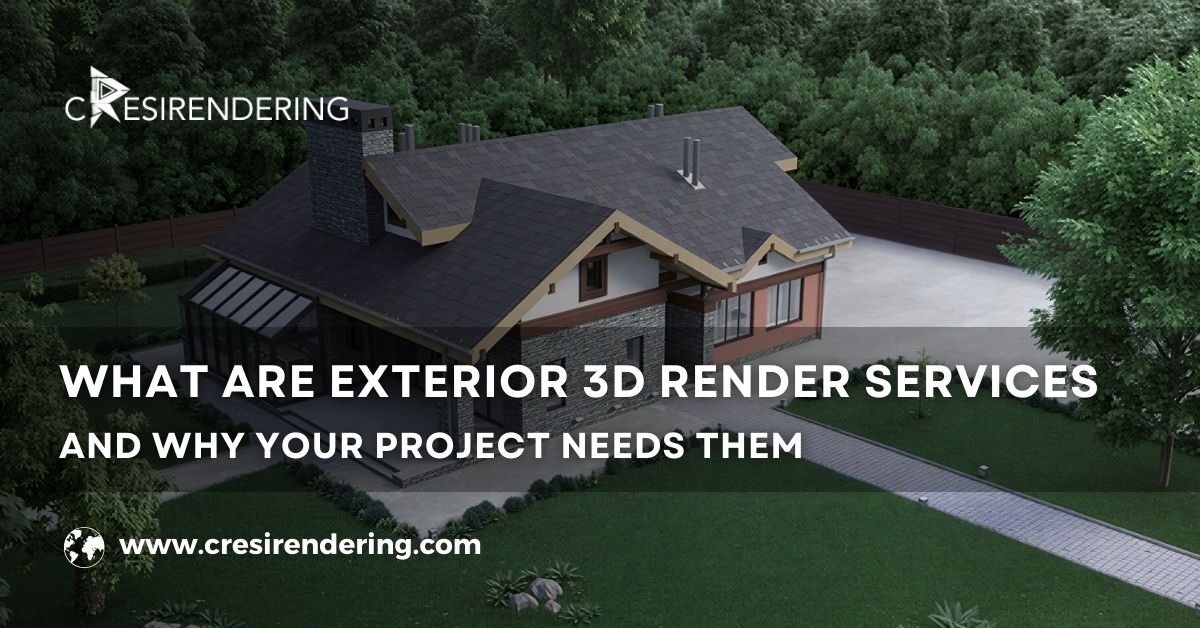
At its core, exterior 3D render services mean creating a detailed digital visualization of a building’s exterior before it is built. But that simple definition doesn’t capture what actually happens behind the scenes. A strong exterior render includes more than walls and windows. It reflects:
- Material behavior (how brick, glass, metal, or stone respond to light)
- Realistic daylight and shadow conditions
- Landscaping and urban surroundings
- Contextual elements such as streets, vehicles, or neighboring buildings
- Atmospheric effects that make the building feel grounded in reality
There’s a noticeable difference between a basic 3D massing view and a refined architectural visualization. The former shows shape. The latter shows presence.
For architects, this distinction matters. It allows them to test facade proportions, glazing rhythm, and material contrast before construction begins. For developers, it provides something tangible to present long before the site is active.
How Exterior 3D Rendering Actually Comes Together
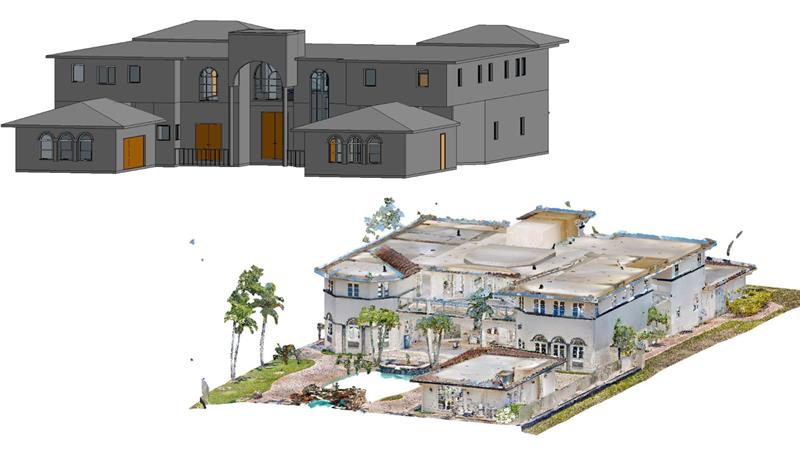
Most exterior render projects begin with existing design information. That could be architectural drawings, BIM models, or even legacy PDFs converted through PDF to CAD Services. For renovation projects, scan to BIM conversion services sometimes provide the base geometry when an existing structure is involved.
From there, the modeling team builds a digital version of the exterior. This stage establishes scale and proportion. Then, materials are applied carefully, not just colors, but textures that reflect how surfaces interact with light.
Lighting is where many renders either succeed or fail. Natural daylight simulation creates realism. Soft shadows define depth. Reflections in glazing add credibility. Small details like subtle weathering or landscaping placement often make the image feel believable.
Finally, post-production adjustments refine the visual. The goal is not an exaggeration. It’s clarity.
Why Exterior Rendering Makes Projects Stronger?
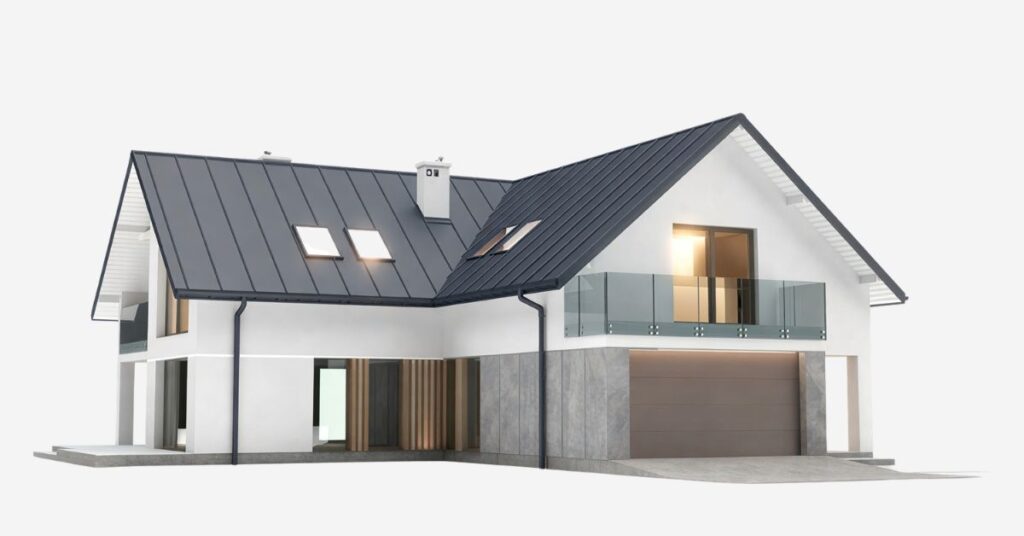
Design communication has always been one of architecture’s challenges. Drawings are precise, but they assume technical literacy. Most clients and investors don’t read sections or elevations instinctively. Exterior 3D Rendering bridges that gap.
It helps stakeholders understand:
- The scale of the building within its context
- The relationship between materials
- How the facade behaves in daylight
- The visual impact of design choices
When that clarity is present, conversations shift. Clients ask more focused questions. Decisions happen faster. Revisions reduce because misunderstandings reduce
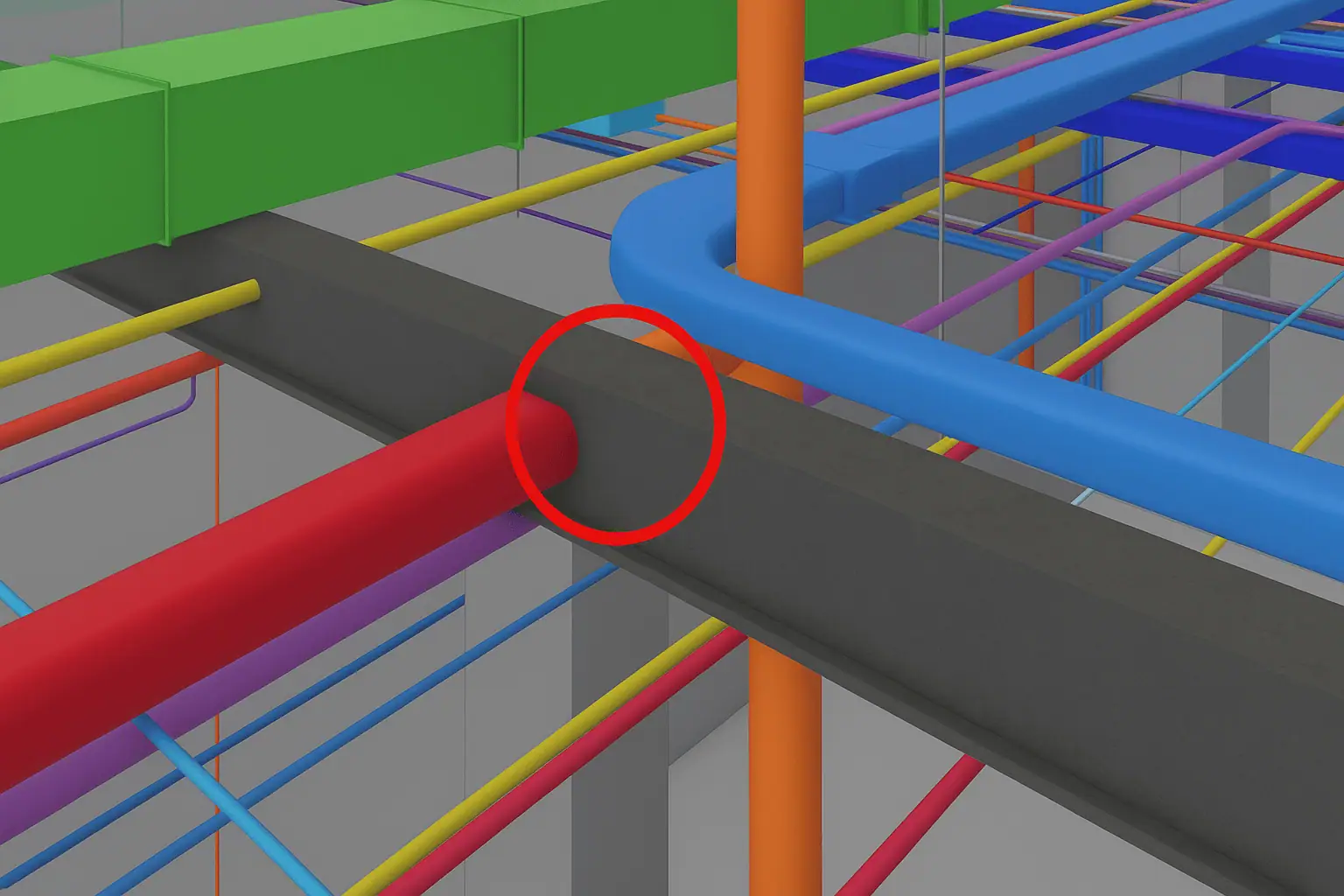
In coordinated projects, particularly those involving MEP BIM modeling services, renders also help non-technical stakeholders understand how technical systems influence facade design.
Marketing Isn’t the Only Reason
Many people associate exterior 3D renders primarily with marketing. And yes, in real estate visualization, strong renders can help pre-sell units or attract investors before construction begins.
But their value extends further.
Architects use them to validate concepts. Builders use them during client presentations. Planning submissions benefit from realistic visuals. Even internal design reviews become more efficient when everyone is looking at the same realistic reference.
In competitive development markets, especially in cities across the UK and North America, the quality of architectural visualization can influence perception long before ground is broken.
Exterior Renders vs Traditional 2D Drawings
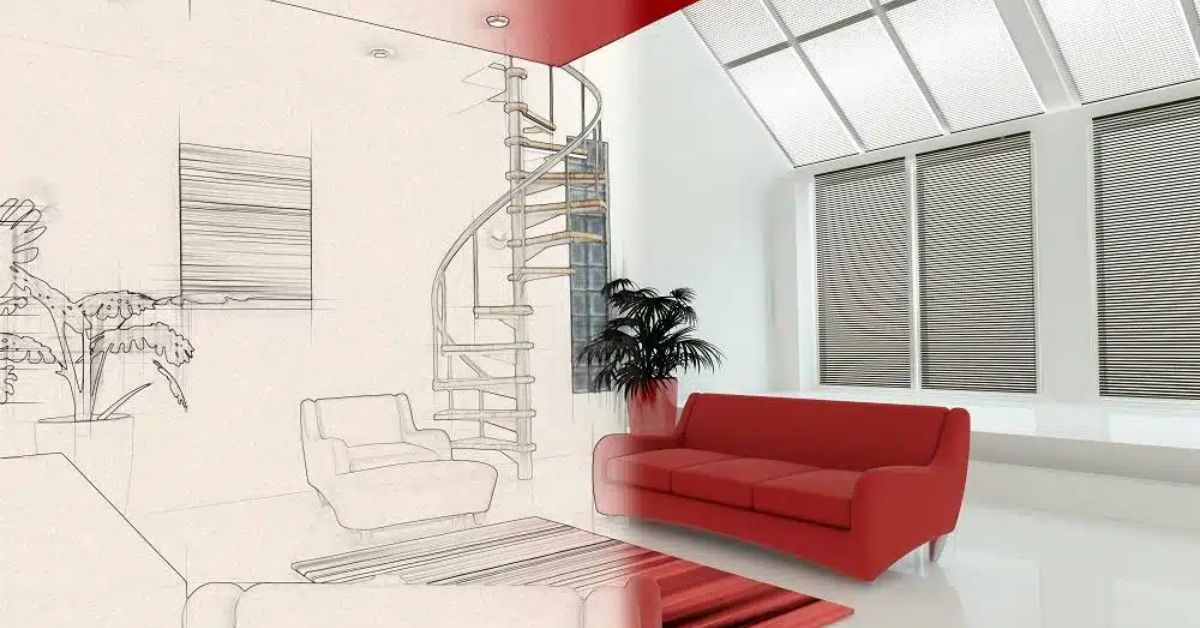
2D drawings remain essential. They communicate dimensions, compliance, and structural intent clearly. No professional workflow replaces them. But 2D drawings require interpretation. Exterior renders reduce interpretation.
When a client sees a realistic image of their future building, there is less room for confusion. Material discussions become more precise. Scale becomes understandable. Even small facade changes can be assessed visually rather than hypothetically.
In many cases, 2D documentation produced from PDF to CAD Services evolves naturally into 3D visualization. It’s not a replacement, it’s a progression.
When Is the Right Time to Use Exterior Rendering?
Exterior 3D Render Services are most valuable at moments of decision:
- During early concept exploration
- Before planning submissions
- Before investor presentations
- At project pre-launch
- During coordination reviews alongside BIM workflows
Using renders too late reduces their benefit. The earlier they are introduced, the more they contribute to design confidence.
Choosing the Right Rendering Partner
Not every rendering studio understands architecture. That distinction becomes obvious quickly. A capable rendering partner will:
- Understand architectural proportions
- Work comfortably with CAD, BIM, or scan data
- Ask questions about the material’s intent
- Deliver visuals that feel grounded rather than exaggerated
Realism should support design, not overpower it.
Final Thoughts
Exterior 3D Render Services are not about creating attractive images for a brochure. They are about reducing uncertainty. They allow architects to refine design decisions. They help developers communicate clearly. They support builders in presenting ideas confidently. And they fit naturally within modern AEC workflows that may include scan to BIM conversion services, PDF to CAD Services, and coordinated MEP BIM modeling services.
At the end of the day, architecture is built in three dimensions. It makes sense that we evaluate it that way before construction begins.
FAQs
What is the difference between exterior and interior 3D rendering?
Exterior rendering focuses on the outside appearance of a building, including facade materials, landscaping, and surrounding context. Interior rendering concentrates on indoor spaces, furniture layouts, lighting, and finishes.
Are exterior 3D renders only for marketing?
No. While widely used in marketing, they are also valuable for design validation, client approvals, and coordination discussions.
Can exterior renders be created from CAD or BIM files?
Yes. Most renders are developed using CAD drawings, BIM models, or data derived from scan to BIM workflows
How long does it take to create an exterior 3D render?
Timelines vary based on complexity, but typically range from a few days for simple views to several weeks for detailed, multi-angle visualizations.